The short version
Artists, athletes, and creators often earn income unevenly. A few strong years can create large tax bills, lifestyle changes, investment decisions, and long-term obligations. The issue is not just how much tax is owed this year. It is how the career's cash flow supports the next 10, 20, or 40 years.
Why timing matters
Many entertainment and sports careers do not produce steady income. There may be advances, signing bonuses, tour profits, performance fees, sponsorships, royalties, appearance fees, buyouts, licensing deals, or one-time liquidity events. Then there may be long periods of lower income, development work, injury, career transition, or delayed royalties.
A tax plan that only looks at the current year misses the real issue: income concentration. When a large amount of money arrives in a short window, decisions made quickly can create consequences that last for years.
The common mistakes
The first mistake is spending based on gross income. Gross income is not take-home cash. Taxes, commissions, management fees, legal fees, agent fees, production costs, touring costs, crew costs, and foreign withholding can reduce the real amount quickly.
The second mistake is ignoring installments and future tax obligations. A strong year can create a tax bill and then required installments for the next year. That can surprise people when the next year is not as strong.
The third mistake is mixing personal lifestyle, business cash, and investment decisions without a plan. That usually leads to messy bookkeeping and harder tax planning.
What planning should cover
A good plan should estimate taxes before the cash is spent, set aside funds for installments, review whether incorporation or multiple entities make sense, track foreign withholding, plan retirement savings, consider insurance and estate planning, and create a sustainable spending policy.
It should also account for career volatility. The best plan is not always the one that minimizes this year's tax. Sometimes the best plan is the one that keeps the person safe when income drops.
The role of reporting
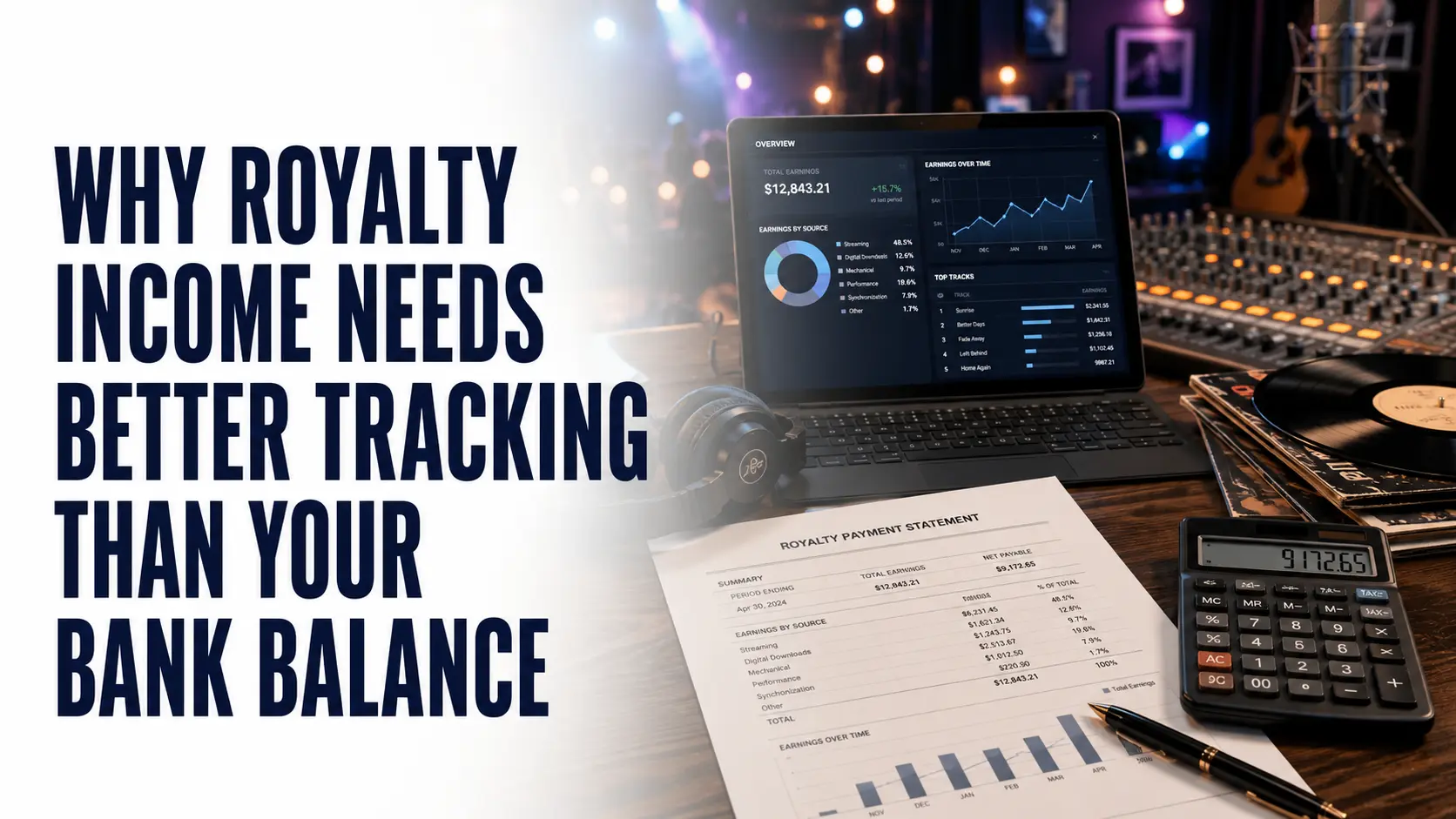
Artists, athletes, and creators need reporting that shows gross income, net income, taxes set aside, personal draws, business expenses, and future obligations. Without that, people make decisions based on bank balances, and bank balances are very persuasive liars.
Practical takeaway
A short earning window can be a blessing, but only if the cash is managed with the long term in mind. The goal is not just to earn well. It is to make the strong years support the quiet years.
How Seeds can help
Seeds helps artists, athletes, and creators plan around uneven income, tax obligations, entity structure, and long-term financial decisions.
General information disclaimer: This article is general information only. It should not be relied on as tax, legal, assurance, or investment advice for a specific situation.

Seeds CPA