The short version
A company can show profit and still have no cash because profit includes items that have not turned into cash, while cash is affected by debt payments, tax installments, equipment purchases, inventory, receivables, payables, and owner withdrawals.
Profit is not cash
Profit is calculated under accounting rules. It measures revenue and expenses for a period. Cash measures money moving through the bank account. Those two things are related, but they are not the same.
A business can earn revenue but not collect it yet. It can buy inventory that is not expensed immediately. It can repay debt principal, which uses cash but does not show as an expense on the income statement. It can buy equipment, pay taxes, or distribute money to owners. None of those items are fully explained by profit alone.
Where the cash goes
The usual places are receivables, inventory, work in progress, equipment, debt repayment, taxes, shareholder withdrawals, and timing differences. Sometimes cash is sitting in the business, but not where the owner expects it. Sometimes it is not there because the business is funding growth.
Growth is a common culprit. A growing company may need more inventory, more staff, more deposits, more receivables, and more equipment before it collects the related cash. Growth can be profitable and cash-hungry at the same time.
The tax surprise
Owners often forget that taxes are paid with cash, not profit. Corporate tax, HST, payroll source deductions, and installments can create significant cash requirements. If the company uses that cash for operations before remitting it, the problem only moves forward with interest.
What owners should review
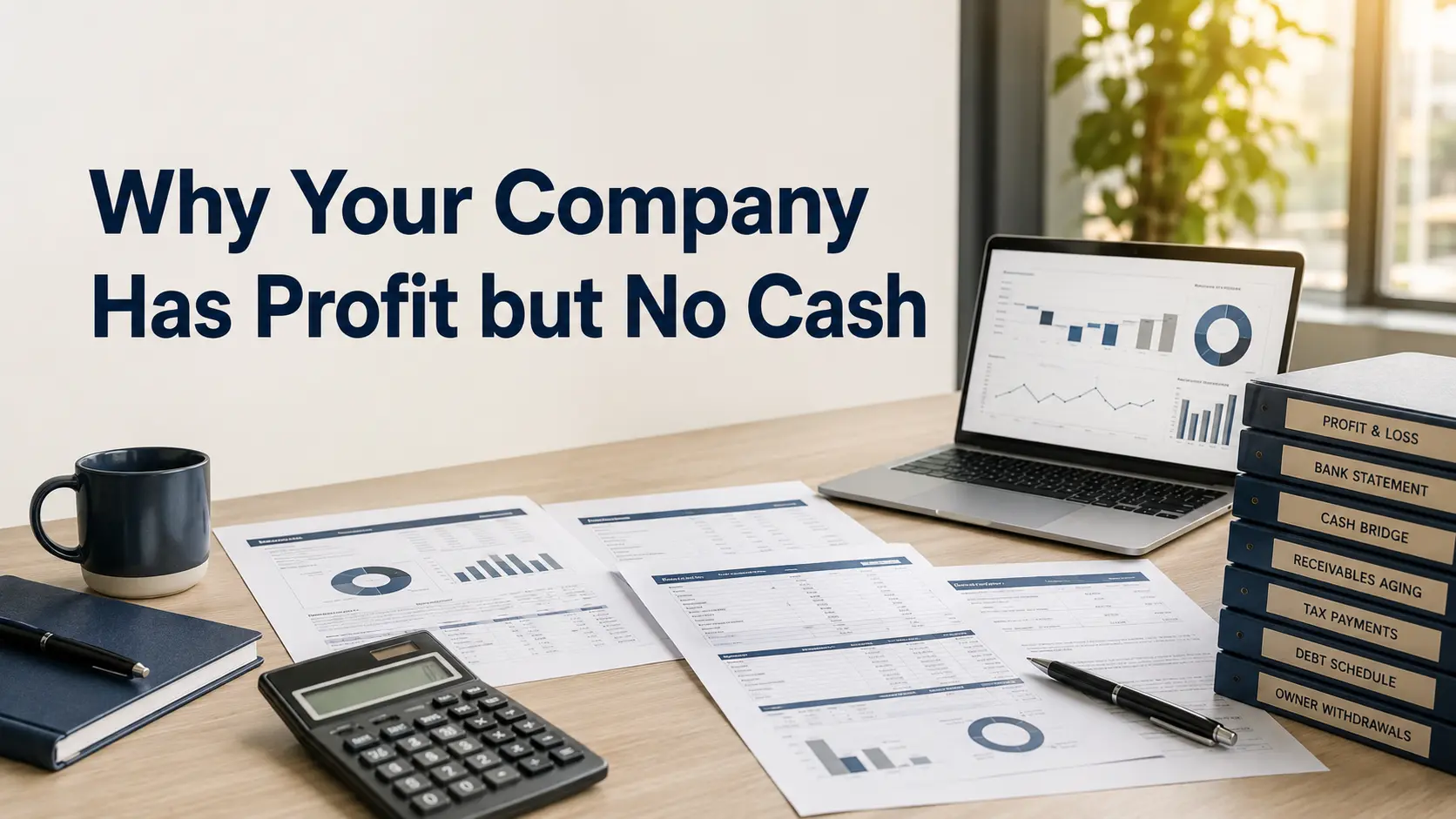
Start with a cash bridge from profit to bank movement. Add back non-cash expenses. Subtract debt principal, equipment purchases, tax payments, shareholder withdrawals, inventory increases, receivable increases, and other working capital changes. The bridge should explain why profit did not become cash.
Then review the cash forecast. A one-time explanation is helpful. A forward-looking forecast is better.
Better questions
Instead of asking only 'Are we profitable?' ask: Are we collecting fast enough? Are we carrying too much inventory? Are we paying debt too aggressively? Are owner withdrawals sustainable? Are taxes set aside? Are margins strong enough to fund growth?
Those questions move the conversation from confusion to control.
Practical takeaway
Profit matters. Cash flow decides whether the business can breathe. Owners should review both regularly, because the income statement will not warn you before the bank account gets tight.
How Seeds can help
Seeds helps owner-managed businesses build cash bridges, forecasts, and reporting that explain where the money actually went.
General information disclaimer: This article is general information only. It should not be relied on as tax, legal, assurance, or investment advice for a specific situation.

Seeds CPA